
 EN
EN TH
TH CN
CN
A warehouse is a crucial component of the supply chain, serving as a central hub for storing goods, products, and materials. It plays a critical role in inventory management by ensuring that items are efficiently stored and accessible when needed. This functionality supports businesses in meeting customer demands and managing shipping costs effectively.
Warehouses come in various designs and types, each tailored to specific business needs. They can range from large, open spaces in industrial parks to specialized facilities with advanced HVAC systems. Businesses may choose proprietary warehousing solutions to maintain control over their storage and distribution activities, which can be particularly beneficial for retailers.
Modern advancements, such as warehouse automation, have transformed traditional storage facilities. Automation enhances productivity and order fulfillment, making these spaces even more integral to the logistics chain. Whether for manufacturers, importers, or transport businesses, warehouses serve as indispensable structures for efficient operations.
Definition and Purpose of a Warehouse
Warehouses play a central role in the storage and handling of goods, ensuring efficient distribution and inventory management. They offer specialized services such as bulk breaking and packaging, enhancing the supply chain process.
The Concept of Warehousing
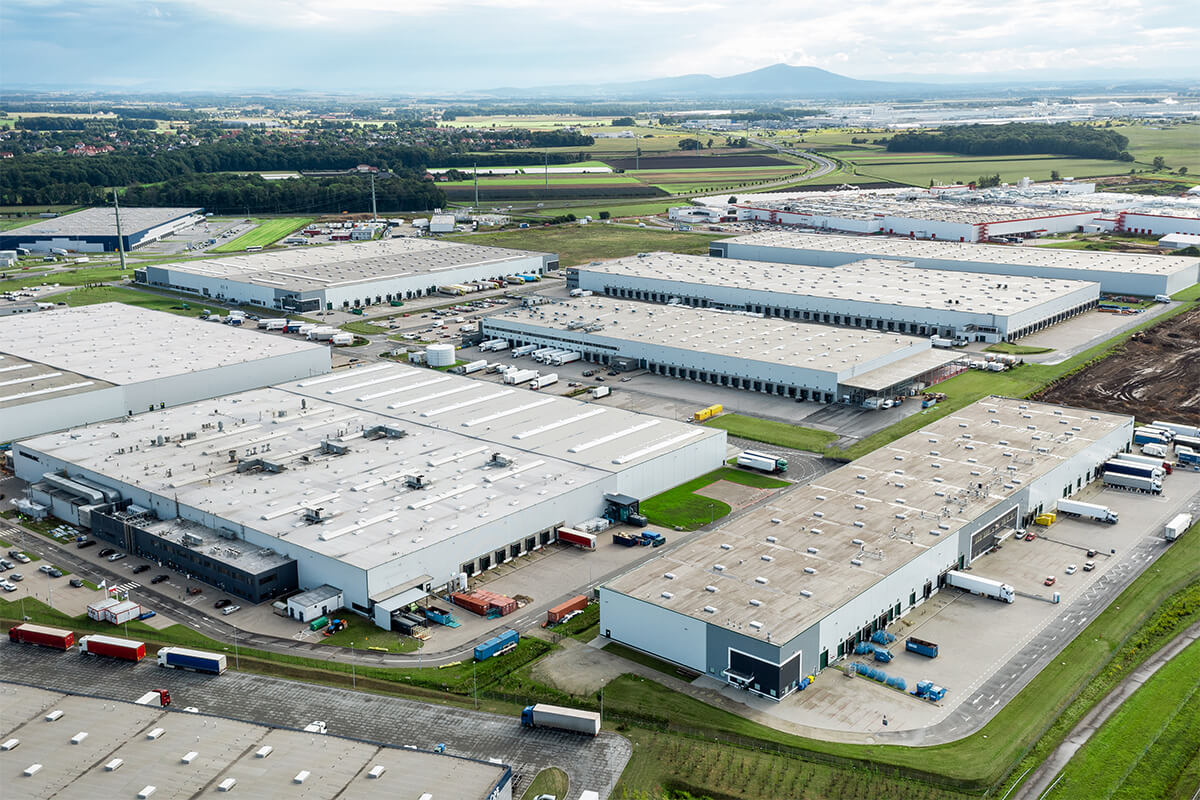
Warehousing involves the storage and movement of goods within a designated space, known as a warehouse. This space is specifically designed to optimize the handling and safekeeping of inventory. Warehouses are vital to logistics by acting as interim storage facilities that facilitate the flow of products from suppliers to customers.
The design and operation of a warehouse will depend on various factors, including the types of goods being stored and the specific needs of the business. A properly managed warehouse system can drastically improve supply chain efficiency through effective tracking and inventory management. For more information, see Warehousing and Fulfillment.
Primary Functions
The primary functions of a warehouse extend beyond merely storing goods. They include receiving products from suppliers, organizing them for efficient storage, and preparing them for shipment. This storage solution allows companies to maintain a steady supply of goods, thus meeting demand fluctuations without experiencing shortages.
Another key function is inventory management, which involves tracking the quantities of various products. Effective management ensures items are in stock when needed. Warehouses also assist in managing returns and defective items, streamlining the process of getting these items back into the supply chain.
Value-Added Services
In addition to storage and inventory management, warehouses often provide value-added services. These include packaging, labeling, and assembly, which can increase the product’s attractiveness and market readiness. Integrated with logistics operations, value-added services improve the efficiency and effectiveness of the supply chain.
For instance, breaking bulk into smaller quantities aligns with specific customer requirements, thereby enhancing service delivery. Some warehouses also offer kitting, assembling various products into ready-to-ship packages, which simplifies the final delivery to customers. Additional insights are available at Inbound Logistics.
Types of Warehouses
Warehouses are critical facilities in supply chains, tailored to meet varied storage needs. The main types include public, private, bonded, smart, and consolidated warehouses. Each type offers distinct advantages depending on factors such as business scale, government regulations, and technological integration.
Public Warehouses
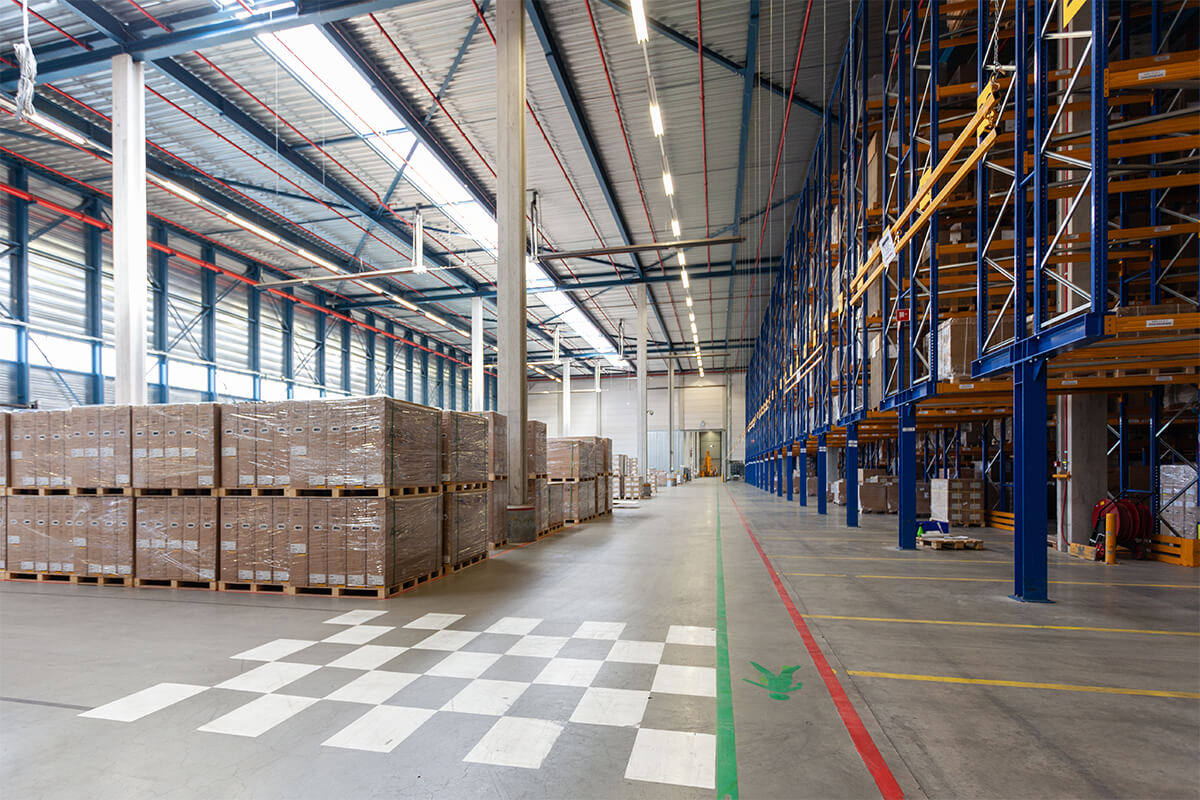
Public warehouses provide storage solutions for businesses and are usually operated by third-party entities. They are available for short or long-term leases, making them versatile for companies seeking flexible storage without large capital investment. Public warehouses are a practical choice for small to medium-sized enterprises due to their cost-effectiveness. They also offer additional services like transportation and distribution, making them convenient for businesses with fluctuating storage needs.
Private Warehouses
Owned and operated by larger companies, private warehouses are tailored to meet specific storage requirements. These facilities are strategic investments that offer complete control over operations, including layout, technology integration, and staff management. Though they entail higher initial costs, they provide long-term cost efficiencies and location advantages. Private warehouses are ideal for businesses with stable, high-volume inventory that demand consistent handling and storage protocols.
Bonded Warehouses
Bonded warehouses are regulated spaces where goods are stored without immediate payment of customs duties. They are vital for businesses involved in international trade, offering delayed duty payments until goods are sold or further processed. This provides financial flexibility and enables businesses to store goods for extended periods. Government oversight ensures compliance with trade regulations, making bonded warehouses an integral part of import/export activities, particularly for goods subject to high tariffs.
Smart Warehouses
Embracing cutting-edge technology, smart warehouses utilize automation, AI, and IoT devices to streamline operations. These facilities boast features like automated storage and retrieval systems, robotics, and real-time inventory tracking. Such technological advancements enhance accuracy and efficiency, reducing labor costs and minimizing errors. Smart warehouses are suited for businesses aiming to achieve high operational efficiency and adapt quickly to market demands through innovation.
Consolidated Warehouses
Consolidated warehouses focus on merging small shipments from multiple manufacturers into larger, more economical loads for distribution. This approach reduces transportation costs and leverages economies of scale. Ideal for smaller businesses or start-ups, these warehouses allow them to access more profitable shipping rates by sharing storage and transportation with other companies. The collaborative nature of consolidated warehouses supports streamlined logistics and efficient distribution networks.
Design and Layout Considerations
Designing a warehouse layout requires thoughtful planning to enhance efficiency. Key considerations include selecting the optimal location, maximizing storage space, and ensuring streamlined workflow and accessibility. These elements are critical for improving operational performance.
Location Strategy
The location of a warehouse significantly impacts its effectiveness. A strategic location minimizes transportation costs and improves access to key distribution routes. Proximity to suppliers and customers should be evaluated to reduce travel time and costs.
Zoning laws and local regulations must also be considered. Some areas may have restrictions that could limit warehouse operations. It’s important to assess the availability of a skilled labor force in the area, as this can influence staffing and operational efficiency.
A well-chosen location supports timely deliveries and optimizes logistics operations.
Storage Optimization
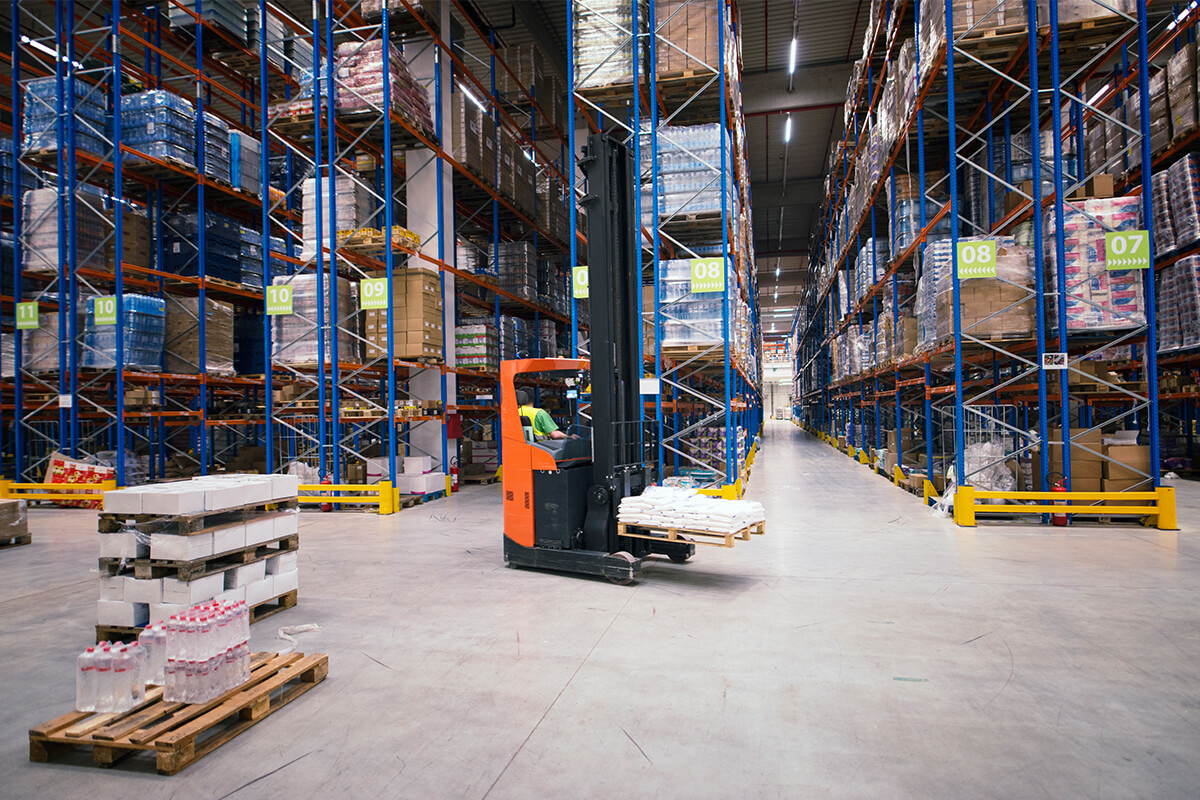
Effective storage optimization is essential to make the most of available space. Warehouses should be designed to accommodate specific product types and volumes. Utilizing vertical space through shelving and racking systems increases storage capacity without expanding the warehouse footprint.
Various storage techniques, such as pallet racking, can be employed based on the type and turnover rate of inventory. Implementing cross-docking can also enhance storage efficiency by minimizing storage time for incoming goods.
Appropriate software solutions help in managing stock levels and predicting future storage needs, ensuring space is used efficiently.
Accessibility and Workflow
Accessibility directly affects the overall efficiency of warehouse operations. Designing wide aisles allows for easy movement of personnel and equipment. This reduces the time taken to retrieve and restock items, improving productivity.
Clear signage and organized flow paths reduce errors and streamline workflow. Proper layout planning enables quick access to frequently used items and minimizes unnecessary movement. Investing in automation technologies, such as conveyors or robotic systems, can further enhance accessibility and workflow efficiency.
Ensuring ergonomic practices enhances worker safety and comfort, reducing delays caused by potential workplace injuries. Efforts to optimize accessibility and workflow translate into faster processing times and improved service levels.
Warehouse Operations
Warehouse operations encompass the critical processes and functions essential for moving goods efficiently within a warehouse. Key aspects include managing inventory flow, handling inbound and outbound shipments, and ensuring accurate order fulfillment. These elements work together to maintain productivity and customer satisfaction.

Inventory Management
Effective inventory management is vital for maintaining optimal stock levels and ensuring products are available when needed. It involves tracking items in real-time, often utilizing warehouse management systems (WMS) to monitor stock levels and reorder points. Cycle counting and periodic audits help maintain accuracy, minimizing discrepancies between physical and recorded inventory. Techniques like ABC analysis optimize storage by categorizing items based on their value and turnover rates, ensuring high-demand goods remain easily accessible.
Receiving and Putaway
Receiving and putaway processes are foundational to warehouse efficiency. When products arrive, they must be unloaded, inspected for accuracy against purchase orders, and checked for quality. Any discrepancies or damages must be addressed promptly to maintain inventory accuracy. Once verified, goods are assigned storage locations based on factors like size, demand, and turnover rate. Using technology such as barcode scanners and RFID systems streamlines these processes, ensuring items are stored correctly and accessible when needed.
Order Picking and Packing
Order picking and packing are crucial for fulfilling customer expectations. Efficient picking strategies, such as batch picking or zone picking, are employed to reduce time and travel distance within the warehouse. Employees are guided by pick lists or digital devices to locate items efficiently. Packing involves preparing items for shipment, ensuring they are protected and labeled correctly. The use of packing materials and technology like automated packing systems can enhance speed and accuracy.
Shipping and Distribution
The shipping and distribution stage focuses on delivering orders to customers promptly and accurately. It begins with coordinating logistics, including selecting appropriate carriers and shipping methods based on cost and delivery time. Proper labeling and documentation ensure smooth transit through different stages of the supply chain. Advanced technologies like transportation management systems (TMS) optimize routes and schedules to minimize transit times and costs, ensuring that products reach their destination efficiently.
Technology in Warehousing
In modern warehousing, technology plays a crucial role in optimizing operations. Key technologies include advanced management systems, automation, robotics, and data-driven tools. These innovations enhance efficiency, streamline processes, and enable better inventory control.

Warehouse Management Systems
Warehouse Management Systems (WMS) are integral to efficient warehouse operations. They facilitate the tracking of inventory levels, processing of orders, and management of storage space. With real-time data, WMS allows warehouses to maintain accurate inventory records and optimize picking and packing processes. This system also helps in reducing labor costs by automating routine tasks and minimizing manual errors, which are often common in warehousing environments. Businesses see improved customer satisfaction and increased operational effectiveness by adopting WMS technology.
Automation and Robotics
Automation and robotics significantly transform warehouse operations by automating repetitive tasks and handling different types of materials without human intervention. Technologies like autonomous mobile robots and automated guided vehicles enhance productivity by transporting goods across the warehouse quickly and accurately. These tools reduce human workload and minimize errors typically associated with manual handling. Additionally, with more advanced robotics, tasks such as sorting, packaging, and palletizing are performed with higher precision and speed, leading to faster order fulfillment and better resource utilization.
Data Analytics and IoT
Data analytics and the Internet of Things (IoT) are pivotal in modern warehouse technology, providing detailed insights and enhancing decision-making processes. Through IoT devices, warehouses collect vast amounts of data about inventory levels, equipment status, and environmental conditions. This data is analyzed to improve inventory management, predict equipment maintenance needs, and ensure optimal storage conditions. IoT-enabled devices also help streamline supply chain operations by offering real-time location tracking of goods within the warehouse and during transit. By leveraging data analytics, companies can anticipate demand trends and adjust their operations accordingly for greater efficiency.
Recommended articles
What is inventory? Understanding inventory in business operations.
Read the contentMar
What is a distribution center? A key component of modern logistics.
Read the contentMar
What’s a warehouse? Why it matters. Types & Functions explained.
Read the contentFeb
What is purple zone land? Ideal uses and information. Check here!
Read the contentFeb
Land survey fees. Costs, steps, docs. Must-know before land deals.
Read the contentJan
GMP. What is it? Importance, users, and a simple business guide.
Read the contentNov