
 EN
EN TH
TH CN
CN
Under Thailand’s comprehensive city planning laws, land is categorized and designated by color codes to specify permitted land uses. One such category is purple-zoned land, designated for industrial and warehouse purposes, primarily intended for manufacturing and goods storage.
This type of land is typically characterized by large areas located outside of residential communities to minimize impact on the population. Specific land use regulations, as stipulated by law, must be adhered to, such as pollution control and safety management. Restrictions on residential construction apply to these zones.
Table of Contents
2. Permitted activities on purple-zoned land
- Permissible types of factories and industries
- Warehouse and Distribution Center Construction
- Other activities related to industry and logistics
3. Requirements and regulations for purple zone land
- Construction and Operation Permit Application
- Environmental and Safety Standards
- Land Use Restrictions
4. Impacts of purple-zoned land on the community and environment
- Economic Aspects: Employment and Investment
- Social Aspect: Community Development and Quality of Life
- Environmental Aspects: Pollution and Waste Management
5. Case Study: Examples of Purple Zone Land Development in Thailand
6. Conclusion: The Role of Purple Zone Land in National Development
City zoning color codes
City planning is a crucial tool for planning and managing land use in various areas. Different colors are used to zone and designate appropriate land use types for each area. The main objective of this zoning is to ensure orderly, efficient, and environmentally compatible land use, promoting sustainable urban development.

What do the different colors on a city plan represent
The various colors appearing on a city plan have different meanings and indicate the different types of land use. For example:
- Yellow: Usually indicates low-density residential areas.
- Orange: Represents medium-density residential areas.
- Red: Indicates commercial areas.
- Green: Represents agricultural and conservation areas.
- Blue: Usually represents areas for government agencies and public utilities.
In addition, there are other colors with specific meanings, such as purple, which indicates industrial zones, which will be discussed in the next section.
Purple Zone: Industrial and Warehouse Area
Land zoned purple in city plans is designated specifically for industrial factories and warehouses. It plays a crucial role in the development of the country’s industrial sector.
Key Characteristics of Purple Zoned Land:
- Use: Areas for industrial factories, warehouses, and related businesses.
- Restrictions: Subject to strict building codes and operational regulations to prevent negative impacts on the environment and surrounding communities.
- Significance: Promotes industrial development, creates jobs, and acts as an economic driver.
- Management: Management of purple zoned land must comply with the comprehensive plan and relevant laws to ensure efficient and sustainable land use.
Important Notes about Purple Zoned Land:
- Those interested in utilizing purple zoned land must thoroughly study the relevant regulations and laws.
- Construction of factories and warehouses on purple zoned land requires permits from relevant authorities.
- Some purple zoned land may have additional restrictions, such as environmental regulations or limitations on the types of industries allowed.
Understanding the characteristics of purple zoned land is crucial for investors, entrepreneurs, and those interested in real estate, enabling them to utilize this land type correctly and efficiently.
Permitted activities on purple-zoned land
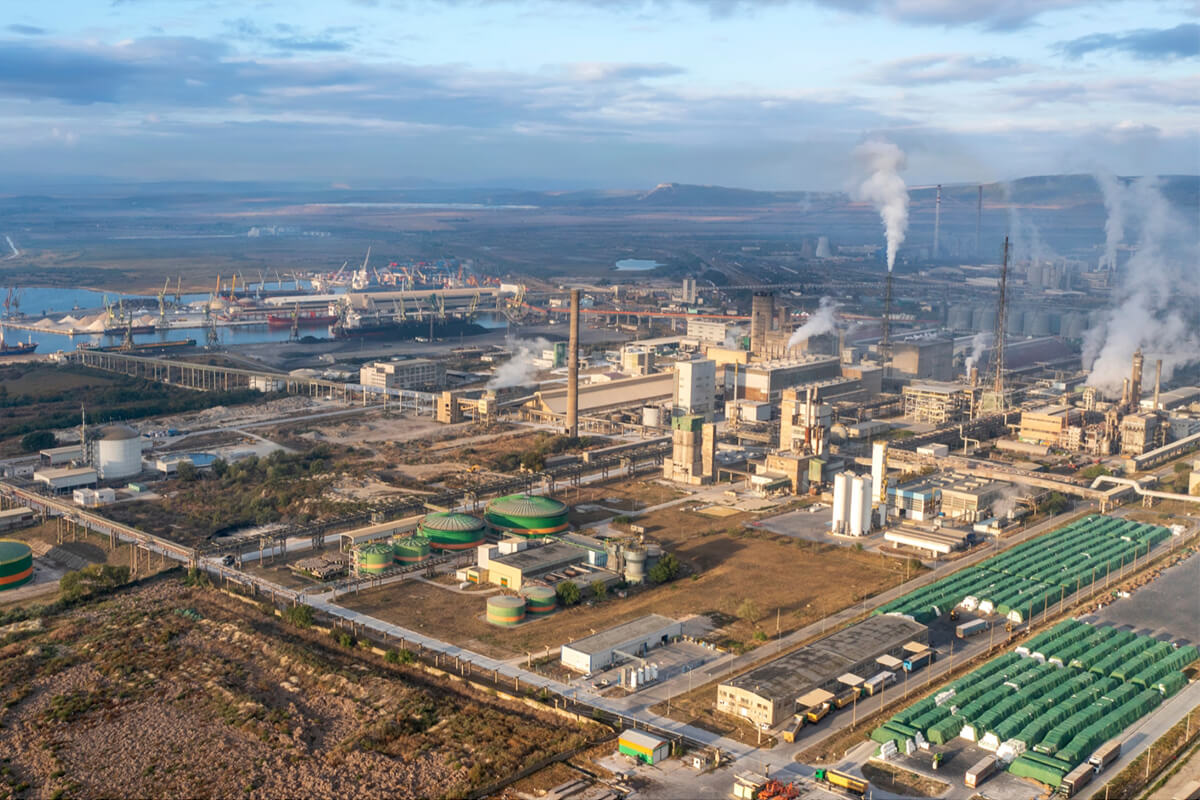
Land zoned purple in the city plan is designated primarily for industrial factories and warehouses, allowing for a variety of economic activities related to the production, storage, and transportation of goods.
Permissible types of factories and industries
Purple-zoned land permits the establishment of factories and various types of industries, which can be categorized by activity or product as follows:
- Manufacturing Industry: Factories producing consumer goods, industrial goods, machinery, electronic equipment, chemicals, and others.
- Processing Industry: Factories processing agricultural products, food processing plants, wood processing plants, and others.
- Energy Industry: Power plants, renewable energy plants, and others.
- Metal-related Industry: Steel mills, aluminum production plants, copper production plants, and others.
However, establishing a factory on purple-zoned land must comply with relevant regulations and laws, such as factory laws, environmental laws, and zoning laws.
Warehouse and Distribution Center Construction
Purple-zoned land, besides being suitable for factories, is also ideal for building warehouses and distribution centers, crucial components of logistics systems.
- Warehouses: Used for storing goods, raw materials, or finished products.
- Distribution Centers: Hubs for distributing goods to consumers or various locations.
Constructing warehouses and distribution centers on purple-zoned land enables efficient goods management, reduces transportation costs, and enhances competitiveness.
Other activities related to industry and logistics
Besides factories and warehouses, purple-zoned land can also be used for other activities related to industry and logistics. Examples include:
- Offices: Offices of companies involved in industry.
- Service Centers: Machinery repair service centers, freight transportation service centers.
- Transportation Terminals: Freight terminals, passenger terminals.
- Parking Areas: Truck parking areas, employee parking areas.
However, all activities on purple-zoned land must comply with relevant regulations and laws to ensure efficient and sustainable land use.
Requirements and regulations for purple zone land
Purple-zoned land in city plans, while facilitating industrial development, has strict regulations that businesses must adhere to for legal compliance and to avoid impacting the environment and surrounding communities.
Construction and Operation Permit Application
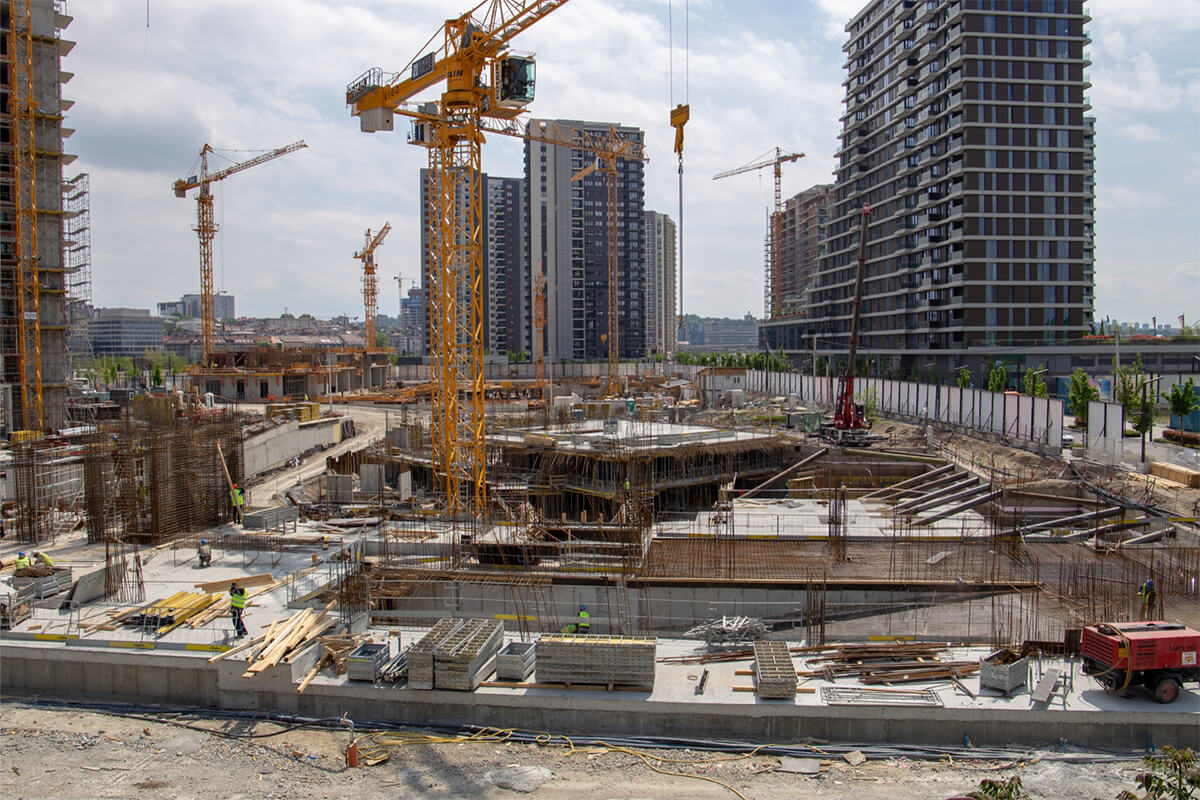
Construction or operation of a factory on land zoned purple requires prior authorization from relevant authorities. The steps and required documents are as follows:
- Construction Permit: Apply for a building permit for the factory or warehouse from the Department of Public Works and Town & Country Planning, or the responsible local authority. This requires building plans certified by an architect and engineer.
- Business Operation Permit: After construction, apply for a factory operating permit from the Department of Industrial Works, Ministry of Industry. This requires documents and evidence as specified by law.
- Other Permits: Additional permits may be required depending on the industry, such as a food production license, pharmaceutical manufacturing license, or other relevant permits.
Environmental and Safety Standards
Factories and businesses located in purple-zoned industrial areas must strictly adhere to environmental and safety standards to prevent negative impacts on the community and the environment.
- Environmental Standards: Air pollution, water pollution, and industrial waste must be controlled and managed according to legally defined standards.
- Safety Standards: Workplace safety measures must be in place to prevent accidents and work-related hazards. These include installing fire suppression equipment, providing employee training, and safely managing chemicals.
Land Use Restrictions
Although purple-zoned land is designated for industrial use, there are some limitations on land utilization.
- Types of Industry: Certain areas may have restrictions on the types of industries permitted, such as prohibiting high-pollution factories or factories that generate excessive noise.
- Other Uses: Land use for activities other than industrial purposes may be restricted or require permits from relevant authorities.
- Urban Planning Regulations: Compliance with city planning regulations is required, such as regulations regarding building height, setbacks, and parking spaces.
Adherence to these requirements and regulations is crucial to ensure smooth and legal operations within purple-zoned land, and to avoid causing problems for the community and the environment.
Impacts of purple-zoned land on the community and environment
Purple land, designated for industrial factories and warehouses, impacts communities and the environment in various ways, both positively and negatively, requiring careful consideration.

Economic Aspects: Employment and Investment
Purple-zoned land plays a vital role in stimulating economic growth both locally and nationally.
- Employment: The presence of industrial factories and warehouses in the area creates jobs for local residents, including production line jobs, support roles, and other related positions.
- Investment: Purple-zoned land attracts investment from both domestic and foreign investors, bringing in capital and fostering development in the area.
- Economic Expansion: The existence of industries in the area leads to overall economic expansion, generating cash flow and growth for related businesses.
Social Aspect: Community Development and Quality of Life
Purple-zoned land has both positive and negative impacts on society.
- Community Development: The presence of industrial factories can lead to community development in various aspects, such as road construction, infrastructure improvements, and support for community activities.
- Quality of Life: Local employment increases income for residents, which improves quality of life. However, there may be negative impacts, such as pollution affecting health.
- Social Changes: Industry in the area can lead to social changes, such as population migration, changes in lifestyle, and culture.
Environmental Aspects: Pollution and Waste Management
Purple-zoned land carries risks of pollution and environmental impact.
- Air pollution: Industrial factories may release air pollutants such as dust, toxic gases, and foul odors, affecting the health of the community.
- Water pollution: Factories may discharge wastewater into natural water sources. Without proper management, this can contaminate water sources and impact the ecosystem.
- Industrial waste: Improper management of industrial waste can cause pollution problems and environmental damage.
- Other impacts: There are also other impacts, such as noise pollution, energy consumption, and landscape alteration.
Environmental impact management is crucial for sustainable industrial development in purple-zoned land. This requires pollution control and prevention measures, proper waste management, and the promotion of clean technologies.
Case Study: Examples of Purple Zone Land Development in Thailand
Purple-zoned land is crucial for Thailand’s industrial development and is utilized in various ways, as illustrated by the following case studies.

Industrial estate
Industrial estates are a popular form of purple-zoned land development in Thailand. They are systematically planned and developed areas designed to accommodate industrial factories.
- Example: Amata City Industrial Estate is a large industrial estate located in Chonburi Province. It features zones for various industries, comprehensive infrastructure, and systematic management.
Advantages of establishing a factory in an industrial estate:
- Ease of obtaining permits and conducting operations.
- Ready-to-use basic infrastructure.
- Environmental and safety management systems.
- Various government incentives and benefits.
Industrial Estate
Industrial estates are another form of development for purple-zoned land, similar to industrial parks but smaller in scale and potentially with less diversity in the types of industries.
- Example: The Rojana Industrial Estate is an industrial estate located in Ayutthaya province, where factories from various industries are located.
Advantages of establishing a factory in an industrial estate:
- Land costs and setup expenses may be lower than in industrial parks.
- Greater flexibility in management.
- Potentially fewer restrictions regarding the types of industries allowed.
Logistics area
Logistics areas are a type of industrial land use (purple zone) that focuses on transportation and distribution of goods, which is crucial for connecting production and marketing.
- Example: The Wang Noi logistics area is a large-scale logistics area located in Phra Nakhon Si Ayutthaya Province, serving as a hub for transporting goods to various regions of the country.
Advantages of locating a warehouse in a logistics area:
- Convenient location for transportation
- Infrastructure that supports transportation
- Systematic management
Considerations
- When selecting a location for an industrial estate, industrial zone, or logistics area, consider factors such as suitability for the industry type, costs, location, access to transportation systems, and environmental impact.
- Operators should thoroughly research information and regulations related to the use of purple-zoned land to ensure legal compliance in their operations.
Conclusion: The Role of Purple Zone Land in National Development
Purple-zoned land plays a crucial role in national development, serving as areas for industrial factories and warehouses. These are key economic drivers, generating jobs, income, and attracting foreign investment. Furthermore, purple-zoned land is part of the country’s logistics system, vital for transportation and goods distribution.
However, the development of purple-zoned land must consider its impact on communities and the environment. Strict pollution control and prevention measures, proper waste management, and the promotion of clean technologies are necessary to ensure sustainable development and avoid negative social and environmental consequences.

Trends and Future of Purple Zone Land
In the future, demand for purple-zoned land is expected to persist due to the continued growth potential of Thailand’s industrial and logistics sectors. However, the development of purple-zoned land must adapt to changing contexts, such as technological advancements, increased environmental awareness, and evolving market demands.
Furthermore, the government should play an active role in promoting and supporting the efficient development of purple-zoned land. This includes appropriate urban planning, clear laws and regulations, and the provision of incentives to attract investment and foster sustainable development of purple-zoned land.
Recommended articles
What is inventory? Understanding inventory in business operations.
Read the contentMar
What is a distribution center? A key component of modern logistics.
Read the contentMar
What’s a warehouse? Why it matters. Types & Functions explained.
Read the contentFeb
What is purple zone land? Ideal uses and information. Check here!
Read the contentFeb
Land survey fees. Costs, steps, docs. Must-know before land deals.
Read the contentJan
GMP. What is it? Importance, users, and a simple business guide.
Read the contentNov